Porto on $40, $100 or $300 a day
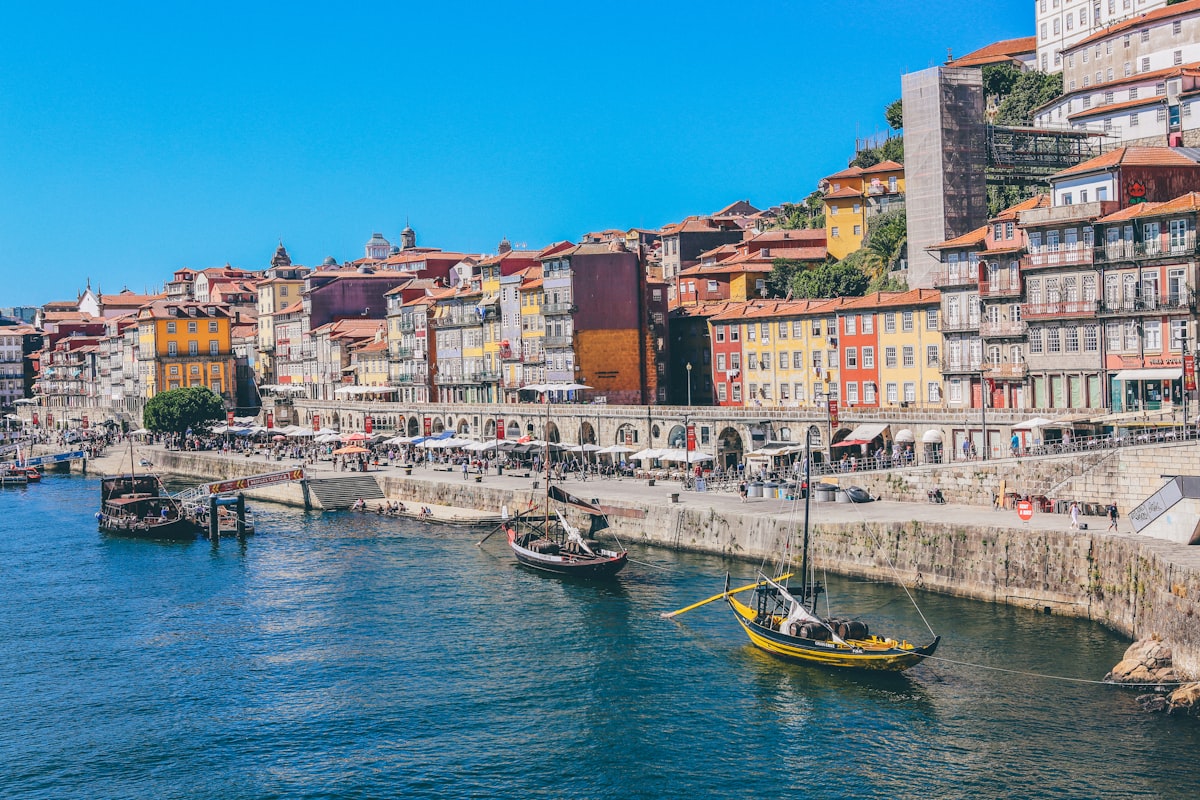
Porto is Portugal's second city and arguably its most beautiful — a steep tangle of granite churches, azulejo-tiled buildings, and medieval alleyways tumbling down to the Douro River and its famous port wine lodges. The ribeira waterfront, the extraordinary Livraria Lello bookshop, the São Bento station's 20,000 azulejo panels, and the food scene — from francesinhas to contemporary tasting menus — have made Porto one of Europe's most beloved weekend destinations.
Share
Plan by budget
One city, three ways to travel it.
How much does Porto cost per day? Budget travellers get by on about $40 a day, mid-range trips run around $100, and luxury starts near $300 — accommodation, food, transport and activities included. That makes Porto the joint 39th cheapest of 110 cities for a mid-range trip (see all 110 ranked).
Daily budget · Budget
Porto is excellent value by Western European standards — cheaper than Lisbon and far cheaper than Spain or France. A hostel bed in the historic centre costs €12–20, a pastel de nata is 25 cents, and a glass of house wine in a taska is €1–2. The city rewards slow walkers — almost everything interesting is free to explore from the outside, and the viewpoints (miradouros) are some of Europe's best.
Where your money goes
How to Get There
What to Do
The fortress-church where Porto began — Romanesque bones, a gilded altar, azulejo cloisters, and the city's best terrace for free.
Read guide → Map ↗ Get tickets on Tiqets →The world's oldest demarcated wine region, one gorge upstream — terraced vineyards, quinta tastings, and the boat-or-train question answered.
Read guide → Map ↗ Get tickets on Tiqets →The barrel-lodges across the river where port has aged for 300 years — cellar tours, tastings, and how to choose among Cálem, Taylor's and the rest.
Read guide → Map ↗ Get tickets on Tiqets →Where to Stay
Hostel above the Douro near the Palácio da Bolsa, with a terrace looking across to the Gaia wine lodges.
Map ↗ Check prices on Klook →Well-regarded hostel in a restored townhouse near Aliados, a short walk down to the Ribeira.
Map ↗ Check prices on Klook →Well-run central hostel near São Bento station, clean and friendly
Map ↗ Check prices on Klook →Where to Eat
The grandest café in Porto — visit for a coffee and pastry in stunning 1921 interior
Porto's great iron-frame market — cheap fresh produce, bifanas, and caldo verde
Map ↗Neighbourhood tasca serving classic bacalhau at worker's prices
Great Francesinha spot — Porto's unique beer-soaked meat-and-cheese sandwich
Map ↗Sample 3-Day Itinerary
Ribeira & Port Wine
Sao Bento station (free - just enter to see the 20,000 azulejo tiles, one of the most beautiful interiors in Portugal). Walk to the Ribeira through the Baixa. Bolhao market (€0, or €3-5 for fresh fruit and pastry breakfast). The Dom Luis I bridge for the view over the Douro.
Cross to Vila Nova de Gaia: a port wine cave tour and tasting at Graham's (€15 - 2 wines, good cellar tour) or Ramos Pinto (€12, the most interesting cave for design). Walk the Gaia waterfront back to the bridge.
Ribeira for dinner: a tasca (traditional tavern) for caldo verde, cod, and a glass of vinho verde (€15-18 for a full meal). Francesinha at Cafe Santiago (the original, €10-12 with beer - the sandwich of Porto: layers of meat, bread, and melted cheese in a tomato-beer sauce, a mandatory experience).
Tiles, Towers & Trams
Igreja de Santo Ildefonso (free exterior, €3 interior - the blue azulejo tile panels covering the entire facade, 11,000 tiles depicting biblical scenes and mythology). Clerigos Tower (€8 - the baroque bell tower over the city, 225 steps, the best free-standing view in Porto). Lello Bookshop (€5, redeemable).
Historic tram Linha 1 to Foz do Douro (€3.50 - the most beautiful tram journey in Porto, 30 min along the Douro). Foz waterfront walk and a swim at the Piscina das Marés (€3) or the Matosinhos beach (free, the best city beach near Porto).
Return by tram or Uber. Wine bar in Cedofeita (a glass of Douro red for €3.50, olives and bread included). Dinner at a Cedofeita neighborhood restaurant (€12-15 for a full meal). The Jardim da Cordoaria park at night.
Douro Valley Day Trip
Train to Pinhao (2h30, €12 each way - the most beautiful train journey in Portugal, following the Douro River through terraced vineyards. The Pinhao station has azulejo tile panels depicting the grape harvest). The journey itself is the attraction.
Pinhao village: the most scenic point of the Douro Valley wine country. Walk to a quinta (estate) viewpoint above the village - the terraced vineyards stepping down to the river. Lunch at a Pinhao cafe (€10-12 for a full meal).
Return train to Porto (watch the sunset over the vineyards from the window). Final dinner: a bacalhau dish (salt cod - Portugal's national ingredient, 365 recipes, order bacalhau a bras or bacalhau com natas at any tasco, €12-15).
The Ribeira waterfront is beautiful but overpriced — eat one street back from the river. A meal at a tasca in the Bonfim or Cedofeita neighbourhoods costs half what the tourist centre charges. The Francesinha (Porto's extraordinary beer-soaked cheese-and-meat sandwich) is the ultimate budget meal and costs €8–12 anywhere decent. Take the iconic Tram 22 through the old city for €3.50. The Foz do Douro at the river mouth is a lovely free afternoon walk. The port wine lodges in Vila Nova de Gaia offer free or cheap tastings with the tour.
Daily budget · Mid-range
Mid-range Porto is exceptional value for the quality available. Boutique hotels in converted merchant palaces, outstanding contemporary restaurants, the booming natural wine and craft beer scene, and day trips to the Douro Valley vineyards — one of Europe's most beautiful wine landscapes — are all easily affordable. The food culture here is among Portugal's best.
Where your money goes
How to Get There
What to Do
The world's oldest demarcated wine region, one gorge upstream — terraced vineyards, quinta tastings, and the boat-or-train question answered.
Read guide → Map ↗ Get tickets on Tiqets →The barrel-lodges across the river where port has aged for 300 years — cellar tours, tastings, and how to choose among Cálem, Taylor's and the rest.
Read guide → Map ↗ Get tickets on Tiqets →The Dragons' trophy room and their 50,000-seat lair — two European Cups, Mourinho's origin story, and the tunnel walk every fan takes once.
Read guide → Map ↗ Get tickets on Tiqets →Where to Stay
Set in a 14th-century convent in the historic centre, charming
Map ↗ Check prices on Klook →Porto's grande dame — 1951 baroque palace hotel, central and elegant
Map ↗ Check prices on Klook →Four-star chain hotel, reliably comfortable rooms and full service without luxury pricing.
Map ↗ Check prices on Klook →Where to Eat
José Avillez's Porto outpost — modern Portuguese with bistro energy
Map ↗Outstanding traditional Portuguese cuisine in a historic house, must book
Map ↗Porto's most celebrated chef in a stunning converted bank space
Vasco Coelho Santos' extraordinary creative tasting menu, superb wine pairing
Sample 3-Day Itinerary
Monuments & Wine Lodges
Sao Bento station then the Ribeira walk. The Cathedral Se (€4 - the Romanesque fortress-cathedral, the oldest in Porto, the Gothic cloister with azulejo tiles depicting the Song of Songs, and the view from the terrace over the Douro). Lunch at a Ribeira restaurant (€25-30 for grilled fish).
Vila Nova de Gaia: Taylor's lodge (€18 - the finest cave visit in Gaia, excellent old tawny tastings, and the best view terrace over Porto from the upper lodge). Walk back across the upper level of the Dom Luis I bridge (free, 45m above the Douro).
Dinner at Antiqvvm (1 Michelin star, Quinta da Macieirinha garden above the river, €65-80 for the tasting menu - the finest view restaurant in Porto). Or Cantinho do Avillez (Jose Avillez's Porto outpost, €45-60, modern Portuguese).
Douro Valley Wine Tour
Organized wine tour to the Douro (pickup from hotel, €80-120pp including transport, 3 quinta visits, and lunch - the best value experience in the Porto area). The terraced vineyards, the rabelo boats on the river, and a proper winemaker explanation of how port is made differently from table wine.
Lunch at a quinta with Douro DOC wines and regional food (included in tour price). Afternoon quinta visit with a barrel tasting of vintage port.
Return to Porto. Dinner in Foz: a seafood restaurant on the Atlantic (fresh barnacles, percebes, grilled sea bass, €40-55). The Foz promenade at night with the Atlantic horizon.
Serralves & Contemporary Porto
Serralves Museum of Contemporary Art (€14 - the finest contemporary art museum in Portugal, Alvaro Siza's 1999 building, in an art deco villa park). The Serralves Foundation park and villa (€14 combined). Allow 3 hours.
Matosinhos for lunch: the fish restaurants of Rua Roberto Ivens (the best grilled fish in the Porto area, €20-30 for a full meal with wine). The Matosinhos market in the morning has the freshest fish coming in from the Atlantic.
Farewell dinner at the Flow Restaurant (in the Foz waterfront, Michelin Bib Gourmand, €45-60 for the tasting menu - excellent modern Portuguese at a reasonable price). A final glass of white port (the Porto aperitif, often forgotten) at a Ribeira wine bar.
Stay in the Bonfim or Cedofeita neighbourhoods for a more local experience than the Ribeira tourist zone. DOP by Rui Paula is the best mid-range restaurant in the city. Book a Douro Valley wine cruise or train journey — it's one of Europe's most beautiful train rides. The Serralves Museum of Contemporary Art has an excellent programme. Fado in Porto (fado portuense) is a different, more melancholic style than Lisbon — seek out a live performance at a tasca.
Daily budget · Luxury
Luxury Porto centres on a handful of genuinely outstanding properties. The Yeatman is one of the world's great wine hotels, with an extraordinary wine list and two Michelin stars. The Graham's Lodge experience and private Douro Valley quinta stays are among Europe's finest wine tourism experiences. A private river cruise up the Douro with dinner at a vineyard quinta matches anything in France or Italy.
Where your money goes
How to Get There
What to Do
The world's oldest demarcated wine region, one gorge upstream — terraced vineyards, quinta tastings, and the boat-or-train question answered.
Read guide → Map ↗ Get tickets on Tiqets →The barrel-lodges across the river where port has aged for 300 years — cellar tours, tastings, and how to choose among Cálem, Taylor's and the rest.
Read guide → Map ↗ Get tickets on Tiqets →The Dragons' trophy room and their 50,000-seat lair — two European Cups, Mourinho's origin story, and the tunnel walk every fan takes once.
Read guide → Map ↗ Get tickets on Tiqets →Where to Stay
Modern five-star on the Gaia side of the river, among the port wine lodges and a walk over the bridge.
Map ↗ Check prices on Klook →The world's great wine hotel overlooking Porto and the Douro
Map ↗ Check prices on Klook →Five-star international hotel with a full spa, notable restaurants and the service standard the brand implies.
Map ↗ Check prices on Klook →Where to Eat
Sample 3-Day Itinerary
Private Porto
Private guided tour of Sao Bento station, the Cathedral, and the Ribeira with an architectural historian who specializes in azulejo culture. The blue-and-white tiles covering Porto's buildings are among the most sophisticated decorative traditions in Europe - understanding their meaning transforms the city. Breakfast at the Yeatman Hotel (the finest hotel in Porto, in Vila Nova de Gaia with a full Douro panorama).
Lunch at the Yeatman Restaurant (2 Michelin stars, €120-150pp - the tasting menu uses exclusively Portuguese ingredients; the wine list is the best in the country). Private afternoon port wine tasting with the Yeatman sommelier - vertical tastings of vintage Quinta do Crasto or Quinta do Vesuvio.
Private evening fado dinner (fado originated in Porto's taverns as well as Lisbon's; a private house performance with a fadista and a guitarist, arranged through the hotel) and dinner at a historic tasco in the Ribeira.
Douro Private Estate
Chauffeured day to the Douro Valley: a private quinta (Quinta do Crasto, Quinta do Vale Meao, or Ramos Pinto's Quinta de Ervamoira) for a winemaker-hosted tour of the vineyards, the cellar, and a barrel tasting of unreleased vintages. The terraced vineyards are some of the most dramatic agricultural landscapes in Europe.
Lunch at the quinta (a long table under a pergola, regional food, house wine from the estate, swimming pool optional). Afternoon tour of a second quinta or a boat trip on the Douro.
Return to Porto. Dinner at Antiqvvm (1 Michelin star in the Quinta da Macieirinha garden - the tasting menu with Douro wine pairing, €150-180pp, and the most spectacular setting in Porto). Final vintage port nightcap at the Yeatman bar.
Atlantic Coast & Farewell
Private tour of the azulejo tile tradition: the Museu Nacional do Azulejo in Lisbon is the definitive collection, but Porto has working studios where tiles are still made. A private visit to an azulejo atelier and a commission for a bespoke panel (the pieces are shipped).
Lunch at Euskalduna Studio (Porto's most avant-garde restaurant, €120-150pp for the 20-course experience - chef Vasco Coelho Santos trained under Andoni Aduriz; reserve months ahead). Shopping in the Baixa: Vista Alegre porcelain (since 1824), Livraria Bertrand (oldest bookshop in the world still operating), fine linen.
Farewell dinner at the Yeatman or a private dinner on the terrace of the hotel villa overlooking the Douro with the lights of Porto reflected in the river. One last glass of 40-year-old tawny port.
The Yeatman Hotel in Vila Nova de Gaia has the best view of Porto and the best wine cellar in the country — book the two-Michelin-star restaurant well ahead. A private boat up the Douro to Pinhão and overnight at Quinta do Crasto or Quinta Nova is one of Europe's greatest wine experiences. The Lello bookshop private morning opening (before tourist hours) is magical — arrange through your concierge. Rui Paula's DOP and Casa de Chá da Boa Nova (on the Atlantic coast, in Frank Lloyd Wright-inspired Álvaro Siza building) are both essential.
Sight guides
Porto Sight Guides
About Porto
When to go, and what it's like on the ground.
Best time to visit
April - June, September - October
Oceanic climate, milder and wetter than Lisbon. April-June: the city in bloom, the Douro vineyards a vivid green, and manageable crowds before the summer surge. June brings the Festas de Sao Joao (St John's Festival on June 23-24) - Porto's greatest celebration, the streets of the Bonfim fill with grilled sardines, plastic hammer fights, and all-night dancing. July-August is warm (26-28 degrees C) and crowded. September-October: harvest season in the Douro Valley, the finest time for wine tourism, and golden Atlantic light. Winter (November-March) is mild (12-15 degrees C) and rainy but the city is entirely genuine - the azulejo tile facades, the crumbling baroque churches, and the port wine lodges of Vila Nova de Gaia at their most atmospheric.
- January: 10°C average high, 14 rain days, low crowds
- February: 11°C average high, 12 rain days, low crowds
- March: 13°C average high, 12 rain days, moderate crowds
- April: 14°C average high, 12 rain days, moderate crowds
- May: 17°C average high, 10 rain days, moderate crowds
- June: 20°C average high, 7 rain days, high season
- July: 22°C average high, 4 rain days, high season
- August: 22°C average high, 5 rain days, high season
- September: 21°C average high, 7 rain days, high season
- October: 17°C average high, 12 rain days, moderate crowds
- November: 13°C average high, 13 rain days, low crowds
- December: 11°C average high, 14 rain days, low crowds
Getting around
Getting around Porto
Porto is hilly and best experienced on foot - but the hills are steep and the cobbles slippery when wet. The metro has 6 lines covering the city and airport (Line E to the airport in 30 min, €2.35). A day pass costs €7. The historic tram routes (lines 1, 18, 22) are tourist attractions as much as transport: Linha 1 along the Douro riverfront to Foz is the most beautiful tram journey in Portugal (€3.50 for tourists, single ticket). Taxis are metered (€3.25 flagfall); Uber and Bolt operate at lower cost. The Francesinha (the local heart-attack sandwich) is available at nearly every traditional cafe and tasting it is the first thing you should do upon arrival.
A travel eSIM gets you online the moment you land in Portugal — data plans start at $4 — no roaming bill, no queue for a local SIM, and nothing to swap in and out of your phone. Install it before you fly.
On foot
Walking routes in Porto.
Sao Bento's tiles down through the cathedral terrace to the river, over the bridge to the port lodges.
The tower, the bookshop and the market, then the tram down the river to where it meets the Atlantic.
Livraria Lello at opening, the Clérigos tower, São Bento's tiles, the cathedral and the stock exchange, lunch on the Ribeira, the six-bridges cruise, the port lodges and sunset from the Serra do Pilar.
Where to stay
Porto, neighbourhood by neighbourhood.
Ribeira & Miragaia
The riverfront historic quarter: a UNESCO World Heritage Site of medieval houses stacked up the Douro gorge, laundry hung between azulejo-tiled facades, and the Dom Luis I bridge (1886) connecting Porto to the port wine lodges of Vila Nova de Gaia on the south bank. The Ribeira square is tourist-heavy but genuinely beautiful - come for the view, the caldo verde (potato soup with kale, €3.50), and the port wine. The Miragaia neighborhood west of the square is quieter and more authentic.
Best for mid-rangeBaixa & Aliados
The city centre: Avenida dos Aliados is Porto's grand boulevard, with the neoclassical City Hall at one end and the Bolhao market at the other. The Lello Bookshop (€5 entry, redeemable against purchase - J.K. Rowling's alleged inspiration for the library in Harry Potter, a neo-Gothic staircase masterpiece) is nearby. The Cafe Majestic on Rua de Santa Catarina (the most beautiful cafe in Portugal, since 1921) is worth a coffee even at the tourist price (€5).
Best for mid-rangeBonfim & Campanha
The working-class eastern neighborhood: the most genuine Porto outside the tourist zone. Rua Miguel Bombarda has the best independent galleries and concept stores in the city. The Sao Bento railway station (in Baixa, technically) has the most extraordinary azulejo tile panels in Portugal - 20,000 blue-and-white tiles depicting Portuguese history (free to enter). Bonfim is where the Festas de Sao Joao are celebrated most intensely.
Best for budgetFoz do Douro
The mouth of the Douro where the river meets the Atlantic: the most expensive neighborhood in Porto, with the best restaurants and the clearest Atlantic air. The historic tram (Linha 1) runs along the river to Foz from the Ribeira - a 30-minute journey past the Quinta da Macieirinha park and the Crystal Palace gardens. Foz has a promenade, ocean swimming pools built into the rocks (Piscina das Marés), and the finest sunsets in Porto. The Matosinhos neighborhood just north has the best fish restaurants in the Porto metropolitan area.
Best for luxuryVila Nova de Gaia
Across the Dom Luis I bridge: the south bank is entirely occupied by the port wine lodges (caves) of every major port house - Sandeman, Ramos Pinto, Graham's, Taylor's, and 50 others. Most offer tours (€8-15) and tastings. The teleférico de Gaia (cable car, €6 each way) connects the riverside lodges to the cliff-top neighborhood. The view from the top of the bridge (accessible on foot, the upper level) over the Douro gorge and the Porto skyline is the finest in the city.
Best for mid-rangeCedofeita & Rua Miguel Bombarda
The bohemian neighborhood northwest of the centre: Rua Miguel Bombarda has the highest concentration of contemporary art galleries in Porto. The Mercado Bom Sucesso (the redesigned 1952 market, now a food court and design hotel) is here. The Jardim da Cordoaria (the public park in front of the Museum of Contemporary Art Serralves - free park, €14 museum) and the Igreja do Carmo with its azulejo-covered side facade (free) are nearby. The neighborhood wine bars are the best in Porto for natural wine and unfussy cooking.
Best for budgetLocal etiquette
Dos & Don'ts
Do
- Greet shopkeepers with "bom dia"
- Tip 5–10% at restaurants (the couvert bread/olives is rarely free)
- Try port wine at a Vila Nova de Gaia cellar
- Dress neatly — the Portuguese take presentation seriously
- Walk the Ribeira and the Dom Luís I bridge for the postcard view
- Use the metro and tram — both cover the centre well
Don't
- Refer to Porto as "Oporto" with locals — they'll correct you
- Tip extravagantly — modest tipping is the norm
- Confuse Portuguese and Spanish — proud distinction
- Lose patience over slow service — "calma" is the local virtue
- Skip the francesinha — locals consider it mandatory
- Walk loudly along the riverside late — residents live there
Useful phrases
Say it like a local.
Beyond the city
Day trips worth the journey.
Douro Valley
The terraced wine valley by river cruise or train — port wine country.
Aveiro
Portugal's "Venice" with colourful moliceiro boats on the canals.
Guimarães
The "birthplace of Portugal" — a UNESCO medieval old town.
Braga
Portugal's religious capital, with the Bom Jesus staircase sanctuary.
Coimbra
A UNESCO university city of Latin liturgy and Fado.
Where to eat
Must-try dishes.
Francesinha
A meat-stacked sandwich smothered in spicy beer-tomato sauce and melted cheese — Porto's monstrous classic.
Bacalhau
Salt cod in 365 ways — Porto's Bacalhau à Brás and Gomes de Sá are the local favourites.
Tripas à Moda do Porto
Tripe-and-bean stew — the dish that earned Porto residents the nickname "tripeiros".
Sandes de Pernil
Slow-roasted pork sandwich on crusty papo seco bread.
Pastel de Nata
Custard tart with a caramelised top — the national pastry.
Port Wine
Fortified wine from the Douro: white, ruby, tawny, vintage. Tastings across the river.
Vinho Verde
A young, slightly fizzy white from the Minho — perfect with summer seafood.
Travel insurance
Do I need travel insurance for Portugal?
Travel insurance is strongly recommended for any trip to Porto. Safety is rated Very safe - one of the safest cities in Europe. Watch for pickpockets on the historic trams and in the Ribeira at night. — even in safe destinations, unexpected medical emergencies or trip cancellations can be costly. Make sure your policy covers emergency medical treatment, hospitalisation, trip cancellation, and emergency evacuation.
Visa note: Schengen zone - 90 days visa-free for most nationalities. Some countries require proof of travel insurance as part of the visa application.
Good to know
FAQ: Porto travel questions
Is Porto safe to visit?
Very safe - one of the safest cities in Europe. Watch for pickpockets on the historic trams and in the Ribeira at night.
When is the best time to visit Porto?
April - June, September - October Oceanic climate, milder and wetter than Lisbon. April-June: the city in bloom, the Douro vineyards a vivid green, and manageable crowds before the summer surge. June brings the Festas de Sao Joao (St John's Festival on June 23-24) - Porto's greatest celebration, the streets of the Bonfim fill with grilled sardines, plastic hammer fights, and all-night dancing. July-August is warm (26-28 degrees C) and crowded. September-October: harvest season in the Douro Valley, the finest time for wine tourism, and golden Atlantic light. Winter (November-March) is mild (12-15 degrees C) and rainy but the city is entirely genuine - the azulejo tile facades, the crumbling baroque churches, and the port wine lodges of Vila Nova de Gaia at their most atmospheric.
How much does a trip to Porto cost per day?
- Budget $40–$70 / day
- Mid-range $100–$180 / day
- Luxury $300–$580 / day
Do I need a visa to visit Portugal?
Schengen zone - 90 days visa-free for most nationalities
How do I get around Porto?
Porto is hilly and best experienced on foot - but the hills are steep and the cobbles slippery when wet. The metro has 6 lines covering the city and airport (Line E to the airport in 30 min, €2.35). A day pass costs €7. The historic tram routes (lines 1, 18, 22) are tourist attractions as much as transport: Linha 1 along the Douro riverfront to Foz is the most beautiful tram journey in Portugal (€3.50 for tourists, single ticket). Taxis are metered (€3.25 flagfall); Uber and Bolt operate at lower cost. The Francesinha (the local heart-attack sandwich) is available at nearly every traditional cafe and tasting it is the first thing you should do upon arrival. Porto has a metro system. Taxi base fare ~$3. Day pass ~$7.
Is tipping expected in Porto?
Not expected but appreciated. 10% at restaurants is generous. Round up at cafes. Never required but always welcomed.
What currency is used in Portugal?
The local currency is EUR (€), and the official language is Portuguese (European - faster and more nasal than Brazilian Portuguese).
Compare
Porto vs other cities
Onward