Santorini on $60, $160 or $500 a day
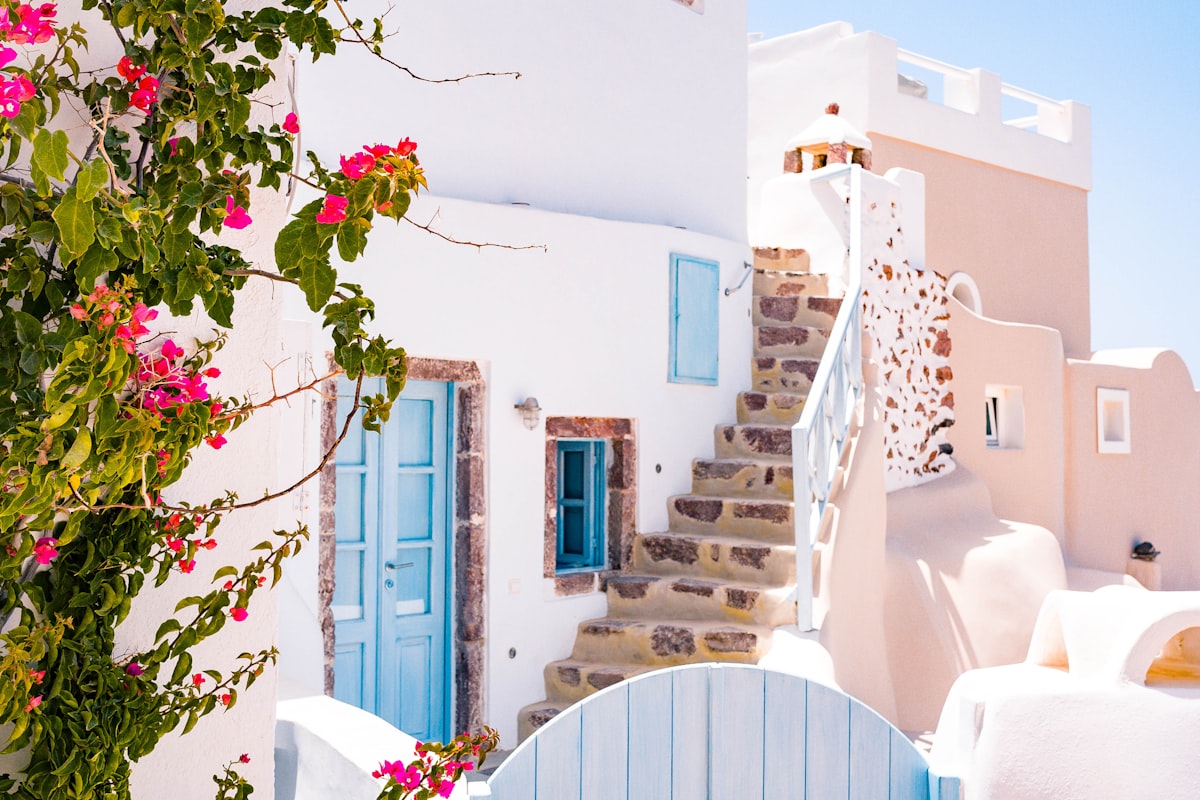
Santorini is the Aegean's most dramatic island — a crescent of volcanic caldera cliffs topped with the dazzling white and blue-domed villages of Oia and Fira. The island was formed by one of history's largest volcanic eruptions, and the resulting landscape of black sand beaches, rust-red cliffs, and impossible sunsets has made it one of the world's most photographed places. The local Assyrtiko wine from volcanic soil is world-class.
Share
Plan by budget
One city, three ways to travel it.
How much does Santorini cost per day? Budget travellers get by on about $60 a day, mid-range trips run around $160, and luxury starts near $500 — accommodation, food, transport and activities included. That makes Santorini the 20th most expensive of 110 cities for a mid-range trip (see all 110 ranked).
Daily budget · Budget
Santorini is not a cheap island, but budget travel is possible with planning. The main cost is accommodation — even hostels here are pricier than mainland Greece. The upside: the caldera views and volcanic beaches are free, local tavernas are reasonable if you avoid the cliff-edge tourist traps, and the island is small enough to explore cheaply by ATV or local bus.
Where your money goes
How to Get There
What to Do
One of the best-preserved ancient settlements in the Aegean, the Akrotiri site was inhabited by the Minoans from Crete around 3000 B.C. The entire ancient city was buried under volcanic ashes after a massive eruption and no human remains and valuables were ever found. Imagine how life was like in Akrotiri as you navigate through an impressive network of buildings and rooms filled with earthenware. You can also view artefacts from the excavations of Akrotiri in the Museum of Prehistoric Thera in Fira. Buy a value-for-money combo ticket for access to both the Akrotiri site and the museum. – Tripadvisor
Map ↗ Get tickets on Tiqets →Inspired by our passion for traveling and exploring new places, our goal is to provide to our guests what we seek when we travel. A local friend that will show you around and a unique experience that you will remember for a long time. Explore Santorini and discover the hidden gems of the island with a private specialized tour based on your needs.
Get tickets on Tiqets →Where to Stay
Hostel accommodation with dorm beds and, usually, a few private rooms.
Map ↗ Check prices on Klook →One of the few genuine budget beds in Oia, at the island''s north end where the caldera views are.
Check prices on Klook →Budget option near the black sand beach, best value on the island
Where to Eat
Best souvlaki on the island, cheap fast food that locals actually eat
Map ↗Hilltop medieval village restaurants are half the price of caldera-edge spots
Black sand beach tavernas on the east coast, fresh fish at reasonable prices
Map ↗Local taverna in Fira serving cheap grilled fish and Greek salad
Sample 3-Day Itinerary
Fira & Caldera Walk
Arrive by ferry or plane. Check in at a Fira or Perissa budget accommodation. Museum of Prehistoric Thera (€6 - essential for understanding the island). Fira caldera walk south to Firostefani (30 min, free views).
Walk the caldera path north: Fira to Imerovigli (1h, free - the finest walk on the island; the Skaros Rock promontory at the end). Lunch at a Fira backstreet restaurant (€12-15 for a Greek salad, tzatziki, and grilled fish).
Oia sunset: take the bus to Oia (€2) and arrive at the Kastro viewpoint 90 minutes before sunset for a position. The sunset is genuinely extraordinary - the sun dropping behind the Thirasia island with the caldera and the flotilla of tourist boats below. Walk back to the bus stop (20 min) for the return bus to Fira.
Akrotiri & Black Beaches
Bus to Akrotiri (€2). The archaeological site (€12 - 2 hours minimum). The excavation is covered by a modern roof and fully walkable: the three-storey houses, the clay pipes, the door frames. Then walk to the Red Beach (10 min, free - the red volcanic cliffs and the dark beach, extraordinary).
Bus to Perissa (€2). The black sand beach for the afternoon. The tavernas on the beach serve fresh fish at the most reasonable prices on the island (grilled sea bream and a salad, €20-25pp). The water is clear and the volcanic mountain backdrop is dramatic.
Return to Fira by bus (€2). Dinner at a Fira backstreet restaurant (the caldera-view places charge a view premium of 50-100%; one street back the same food costs half as much). Wine: a glass of Assyrtiko (the indigenous Santorini white, volcanic and mineral, €6-8/glass).
Oia Morning & Wine
Early morning in Oia before the tourists arrive (take the 8am bus from Fira): the blue-domed churches, the caldera path, and the village streets before the crowds. Breakfast at a Oia bakery (€5 for coffee and tiropita). The Kastro in morning light is the finest version of Oia.
Return to Pyrgos village for the afternoon (free walk through the medieval streets). Venetsanos or Santo Wines tasting (€15-25 for 3 wines). The caldera view from the winery terrace is unobstructed.
Farewell dinner in Megalochori: a traditional taverna for moussaka, dakos (Cretan barley rusk with tomatoes), and a carafe of local wine (€18-25pp). The most affordable genuine Greek meal on the island.
The black-sand beaches of Perissa and Perivolos on the east coast are much cheaper and less crowded than the caldera side. Rent an ATV (€20/day) to explore freely — public buses are slow. Eat in Pyrgos village (the hilltop medieval village) rather than Oia for much better prices. The Kamari side of the island is noticeably cheaper than the caldera-facing villages. Visit in May or October — prices are significantly lower and it's far less crowded than July–August.
Daily budget · Mid-range
Mid-range Santorini is the sweet spot. Small boutique hotels in Fira or Imerovigli with partial caldera views, excellent local wine bars stocking Santorini Assyrtiko, and the stunning caldera walk from Fira to Oia — one of Europe's great hikes — are all accessible without luxury prices. The island is genuinely beautiful at every budget level.
Where your money goes
How to Get There
What to Do
Santorini Sailing is the original and most reputable catamaran sailing company. It is family-owned and operated. We provide a safe, fun, and enjoyable experience for all passengers. Our certified, experienced Captains and crew have local knowledge and a passion for sailing, with the utmost professionalism. Customer service is our top priority, and we take a personal approach to ensure our guests have a memorable experience. numberous Travel and Food shows. Join us for a day or sunset sail and let us provide a day for you that you and your guests will remember long after you return to port!
Map ↗ Get tickets on Tiqets →Catamaran sunset cruise around the caldera with dinner and wine
Get tickets on Tiqets →Where to Stay
Four-star resort at Kamari on the beach side of the island, with pools and a spa, away from the caldera crowds.
Map ↗ Check prices on Klook →Cave houses in Oia with caldera views, charming and well-priced
Check prices on Klook →Stunning caldera views from infinity pool, intimate and stylish
Where to Eat
Sample 3-Day Itinerary
Caldera View & Sunset
Rent an ATV or car (€40-60/day) for the day. Museum of Prehistoric Thera (€6) in the morning. Imerovigli: the Skaros Rock walk (free, the finest caldera viewpoint). Breakfast at the Imerovigli cafe with the caldera below.
Drive to Akrotiri (€12) and the Red Beach. Then the south coast drive: the White Beach water taxi (€8 each way from Red Beach), the lighthouse at Akrotiri (free, dramatic cliff edge), and a swim at a quiet southern cove.
Oia dinner: a caldera-view restaurant for fresh lobster pasta or grilled octopus (€50-70pp for a full meal with wine - expensive but the setting is extraordinary). The sunset from the restaurant terrace.
Catamaran & Wine
Half-day catamaran sail around the caldera (€100-120pp including lunch, wine, snorkeling stops, and a swim at the hot springs): the caldera from the water reveals its full volcanic scale - the 300m cliffs, the twin volcanic islands of Nea Kameni and Palea Kameni. Swim at the hot springs on Nea Kameni (the water is warm and mineral-rich).
Return by noon. Afternoon wine tour: Venetsanos (caldera-view), Santo Wines (the most accessible tasting), and Domaine Sigalas in Oia (the finest Assyrtiko producer, €25 for the tasting). Three wineries in an afternoon with the rental car.
Dinner at Pyrgos: Kasteli Restaurant (€45-60pp for the finest traditional Greek cuisine in the village, on the battlements of the Pyrgos fortress with the island spread below). Cheaper and better than the caldera-view restaurants.
Day Trip: Thirassia
Ferry to Thirassia (€10-15 return, 30 min - the second island of the caldera, with 250 inhabitants and almost no tourist infrastructure). Manolas village (the main settlement, 250 steps up from the tiny port) has a single taverna that serves the catch of the day. Completely unhurried.
Swim in the caldera from the Thirassia rocks. Return to Santorini by afternoon. The afternoon in Oia: the caldera-edge walk north of the main village where the crowds thin.
Farewell dinner at Koukoumavlos in Fira (1 Michelin star, €90-120pp for the tasting menu - the finest contemporary Greek cuisine on the island; the caldera-edge terrace; reserve 2 weeks ahead).
The caldera walk from Fira to Oia (10km, 3 hours) is one of Greece's greatest hikes — do it in the early morning. Santorini Assyrtiko is a world-class white wine unique to the volcanic soil here — visit Domaine Sigalas or Santo Wines winery. The village of Pyrgos offers the best authentic Greek experience on the island. Book accommodation at least 4–6 months ahead for July–August. Oia sunset is spectacular but extremely crowded — watch it from Imerovigli instead for the same view with half the people.
Daily budget · Luxury
Luxury Santorini is extraordinary — the island has some of the world's most spectacular cave hotels carved into the caldera cliffs, with private infinity pools overlooking one of nature's most dramatic vistas. Restaurants like Selene and Ambrosia match European fine dining. A private catamaran charter around the caldera at sunset with chef-catered dinner is among the Mediterranean's most memorable experiences.
Where your money goes
How to Get There
What to Do
Inspired by our passion for traveling and exploring new places, our goal is to provide to our guests what we seek when we travel. A local friend that will show you around and a unique experience that you will remember for a long time. Explore Santorini and discover the hidden gems of the island with a private specialized tour based on your needs.
Get tickets on Tiqets →Full-day private catamaran with crew, chef, and caldera access
Get tickets on Tiqets →Santorini Sailing is the original and most reputable catamaran sailing company. It is family-owned and operated. We provide a safe, fun, and enjoyable experience for all passengers. Our certified, experienced Captains and crew have local knowledge and a passion for sailing, with the utmost professionalism. Customer service is our top priority, and we take a personal approach to ensure our guests have a memorable experience. numberous Travel and Food shows. Join us for a day or sunset sail and let us provide a day for you that you and your guests will remember long after you return to port!
Map ↗ Get tickets on Tiqets →Where to Stay
The finest hotel on Santorini — private infinity pools, extraordinary
Check prices on Klook →Cliff-edge property in Imerovigli, world-famous infinity pool views
Check prices on Klook →Iconic Oia cliff hotel, private pools, and award-winning restaurant
Where to Eat
At Andronis Boutique Hotel in Oia, stunning caldera views, creative Mediterranean cooking
Map ↗Fine dining at the iconic cliff hotel in Oia, outstanding Greek cuisine
The most romantically situated restaurant on the island, impeccable service
Map ↗Sample 3-Day Itinerary
Oia & Private Caldera
Stay in an Oia infinity-pool villa (the Katikies, Mystique, or Grace Santorini - the archetypal caldera-view luxury, from €800/night; the private pool above the caldera is the defining Santorini luxury experience). Private guided tour of the Museum of Prehistoric Thera with an archaeologist.
Lunch at Fanari (the finest caldera-view restaurant in Fira, €80-100pp). Private wine tasting at Domaine Sigalas with the winemaker (the finest Assyrtiko producer on the island - a vertical tasting of 5 vintages, arranged through the hotel, €150pp).
Sunset dinner at Amoudi Bay (the caldera-floor fishing village below Oia, accessible by path or water taxi): Dimitris Ammoudi (€60-80pp for the freshest seafood in Santorini, lobster from the tank, the sunset over the volcanic islands). The path down from Oia takes 10 minutes; the sunset from the water is different from and arguably better than from the village above.
Akrotiri Private & Yacht
Private early-access tour of the Akrotiri excavation before public opening: an archaeologist guide who has worked on the site explains what each room was used for, why the city was abandoned before the eruption, and why no bodies have been found (unlike Pompeii - the Minoans evacuated). The site in silence before 8am is extraordinary.
Private yacht charter (from €600 for 4 hours): the caldera, the volcanic islands, a swim at the hot springs, and lunch on deck. Alternatively: a helicopter transfer to Mykonos for lunch and back (€400pp return, 15 min each way).
Dinner at Selene restaurant (the finest contemporary Greek cuisine in Santorini, €130-160pp for the full tasting menu; the garden setting in Pyrgos away from the caldera crowds; the wine list is the finest on the island). Book 3 weeks ahead.
Spa & Farewell
Morning at the villa pool. Spa at the Grace Santorini (the finest spa on the island: the volcanic stone massage uses Santorini pumice, €180-250 for 90 min). A private yoga session on the caldera-edge terrace at dawn.
Final Oia walk without the crowds (the village at noon in shoulder season is manageable). Shopping: the Oia galleries have genuine Santorini contemporary art, handmade ceramics, and jewelry. The Atlantis Books (the tiny independent bookshop famous among literary tourists) on the main lane.
Farewell dinner at the hotel restaurant with a private terrace reservation: a Greek meze dinner as the sun goes down over the caldera - tarama, dolmades, fresh grilled octopus, lamb chops, and the island's Assyrtiko. One final bottle of Domaine Sigalas.
Canaves Oia Epitome and Grace Santorini are the finest hotels on the island — both have private infinity pools over the caldera. Selene restaurant in Pyrgos is the island's best — book well ahead. A private catamaran charter (€800–1500 for a full day) is worth every euro — sail into the volcano crater and swim in the hot springs. Helicopter transfer from Athens (45 minutes) avoids the ferry completely. The private wine tasting at Domaine Sigalas is outstanding — book directly for the full experience.
About Santorini
When to go, and what it's like on the ground.
Best time to visit
May - June, September - October
Mediterranean climate with hot, dry summers. May-June is the ideal window: the island is in full bloom, the sea is warm enough to swim (21 degrees C), and the hordes of July-August have not yet arrived. The light in June is the finest in Greece - long evenings, golden sunsets over the caldera. July-August is peak season: temperatures of 30-35 degrees C, extreme crowds in Oia (the village famous for its sunsets, which becomes dangerously overcrowded), and prices at a 100-200% premium. September-October is the finest time: the summer tourists thin, the sea remains warm (24-25 degrees C from the summer heat stored in the water), and the vineyards are being harvested. The Assyrtiko grape harvest in September is when the island's best wine gets made. November-April is mostly quiet - many hotels and restaurants close, but the island in winter is genuinely beautiful and uncrowded.
- January: 12°C average high, 11 rain days, low crowds
- February: 12°C average high, 9 rain days, low crowds
- March: 13°C average high, 7 rain days, moderate crowds
- April: 16°C average high, 4 rain days, high season
- May: 20°C average high, 2 rain days, high season
- June: 24°C average high, 1 rain day, high season
- July: 26°C average high, 0 rain days, high season
- August: 26°C average high, 0 rain days, high season
- September: 23°C average high, 2 rain days, high season
- October: 20°C average high, 6 rain days, moderate crowds
- November: 16°C average high, 9 rain days, low crowds
- December: 13°C average high, 11 rain days, low crowds
Getting around
Getting around Santorini
Santorini has no public metro or tram. The main transport options are: the public bus (KTEL, €2-3 per trip, connecting Fira, Oia, the ports, and the main beaches - useful but infrequent); rental cars, ATVs, and motorbikes (the most flexible option, €40-80/day for a car, available everywhere); taxis (expensive - Fira to Oia is €25-35); and water taxis connecting the caldera villages (€15-25 per trip). The Santorini airport (JTR) is near Fira - taxis are the only option ($15-20). The ferry port at Athinios connects to Athens (8h overnight ferry or 4h catamaran) and the other Cyclades. The cable car from Fira to the old port (€6 return) or the 587 steps up on foot or by donkey (tip the donkey handlers).
A travel eSIM gets you online the moment you land in Greece — data plans start at $4 — no roaming bill, no queue for a local SIM, and nothing to swap in and out of your phone. Install it before you fly.
Where to stay
Santorini, neighbourhood by neighbourhood.
Oia
The northern village and the most famous settlement in Greece: the blue-domed churches, the whitewashed Cycladic houses on the caldera rim, and the sunset that 10,000 people gather to watch every evening (the viewing point gets dangerously crowded in July-August - arrive 90 minutes early for a good spot). Oia is more expensive than anywhere else on the island and more beautiful. The Kastro (the ruined medieval castle) is the best sunset viewpoint. The art galleries and boutiques on the main lane are the finest shopping in Santorini. Worth staying here if the budget allows.
Best for luxuryFira
The island capital: the most accessible caldera-view town, with the bus station, the cable car to the old port, and the highest concentration of restaurants and bars. The Museum of Prehistoric Thera (€6 - the finest collection of Minoan art outside Crete, including the gold ibex and the wall paintings from Akrotiri) and the Orthodox Cathedral are both in Fira. The caldera-edge path from Fira north toward Imerovigli and Oia is the finest walk on the island (3-4 hours, free). Fira's nightlife (Koo Club, Tithora) is the liveliest on the island.
Best for mid-rangeImerovigli
The village between Fira and Oia on the caldera rim: the highest point of the inhabited caldera edge, with the finest unobstructed views of the caldera and the Skaros Rock (the ruined Byzantine-era fort on a promontory above the village - a 20-minute walk from the village, free, the most dramatic natural viewpoint on the island). Imerovigli is quieter than Oia and Fira, with fewer tourists and the most spectacular caldera-view hotels.
Best for luxuryAkrotiri & Red Beach
The southern tip: the Akrotiri archaeological site (€12 - the Minoan Bronze Age city perfectly preserved under 3,600 years of volcanic ash, sometimes called the "Pompeii of the Aegean"; the wall paintings and the pottery give the finest picture of Minoan daily life available anywhere). The Red Beach (free - volcanic red and black cliffs, small pebble beach, 10-minute walk from Akrotiri; the most dramatic beach setting in Greece). The White Beach (accessible only by water taxi or boat, €8 each way from the Red Beach).
Best for mid-rangeKamari & Perissa
The black volcanic beach villages on the east coast: Kamari and Perissa share a 15km stretch of black sand beach, separated by the Mesa Vouno mountain. The sand is black volcanic, heats to extreme temperatures in summer (wear shoes). The villages are the most affordable on the island for accommodation and food - tavernas serve fresh fish and Greek salad at a fraction of the caldera prices. The bus connects both villages to Fira (€2). Perissa is the more local of the two. The Ancient Thira site (free) is on the mountain between them.
Best for budgetPyrgos & Megalochori
The inland villages: Pyrgos is the highest village on the island, a well-preserved medieval settlement with fortress walls and church bell towers. Santo Wines winery (the largest cooperative winery in Santorini, free to visit the shop, tastings €15-30) is on the Fira-Pyrgos road. Megalochori has the most genuine Greek tavernas on the island - the food is better and the prices are lower than the caldera-edge restaurants. The Venetsanos Winery has a caldera view terrace for wine tasting (€15-25).
Best for mid-rangeLocal etiquette
Dos & Don'ts
Do
- Book sunset spots and restaurants ahead in summer
- Wear comfortable shoes — Oia and Fira are steep cobbles
- Tip 5–10% at sit-down restaurants
- Carry small euros — some small shops are cash-only
- Try Assyrtiko, the island's flagship white wine
- Visit the inland villages (Pyrgos, Megalochori) for a calmer Santorini
Don't
- Drive a quad-bike along caldera roads without a helmet
- Throw paper down toilets — bins only (island plumbing)
- Disturb the famous blue domes by ringing church bells
- Trample private viewing decks for the perfect Insta shot
- Expect uncrowded sunsets in Oia in July–August
- Underestimate the heat — siesta is real here
Useful phrases
Say it like a local.
Beyond the city
Day trips worth the journey.
Oia Sunset
The most famous sunset in the world — arrive early or take a private balcony.
Caldera Boat Tour
Sail the volcanic crater to hot springs and Thirassia.
Ancient Akrotiri
A Bronze-Age "Pompeii" preserved under volcanic ash.
Pyrgos & Megalochori
Quiet inland villages of whitewashed lanes and old wineries.
Thirassia
A quieter neighbouring island reached by short ferry.
Where to eat
Must-try dishes.
Tomatokeftedes
Santorini cherry-tomato fritters — sweet from the island's volcanic soil.
Fava
A creamy yellow split-pea purée drizzled with olive oil, capers and onion.
White Aubergine
The light, sweet Santorini variety used grilled or in stews.
Octopus on the Grill
Sun-dried then char-grilled — a meze classic.
Assyrtiko Wine
The island's mineral-driven white, grown in protective basket vines.
Vinsanto
A sweet sun-dried wine — Santorini's ancient dessert pour.
Loukoumades
Honey-drenched doughnut bites with cinnamon and crushed walnuts.
Travel insurance
Do I need travel insurance for Greece?
Travel insurance is strongly recommended for any trip to Santorini. Safety is rated Very safe - one of the safest destinations in Europe. The main hazards are uneven cobblestones (wear proper shoes), sun exposure, and the caldera cliff edges. — even in safe destinations, unexpected medical emergencies or trip cancellations can be costly. Make sure your policy covers emergency medical treatment, hospitalisation, trip cancellation, and emergency evacuation.
Visa note: Schengen zone - 90 days visa-free for most nationalities. Some countries require proof of travel insurance as part of the visa application.
Good to know
FAQ: Santorini travel questions
Is Santorini safe to visit?
Very safe - one of the safest destinations in Europe. The main hazards are uneven cobblestones (wear proper shoes), sun exposure, and the caldera cliff edges.
When is the best time to visit Santorini?
May - June, September - October Mediterranean climate with hot, dry summers. May-June is the ideal window: the island is in full bloom, the sea is warm enough to swim (21 degrees C), and the hordes of July-August have not yet arrived. The light in June is the finest in Greece - long evenings, golden sunsets over the caldera. July-August is peak season: temperatures of 30-35 degrees C, extreme crowds in Oia (the village famous for its sunsets, which becomes dangerously overcrowded), and prices at a 100-200% premium. September-October is the finest time: the summer tourists thin, the sea remains warm (24-25 degrees C from the summer heat stored in the water), and the vineyards are being harvested. The Assyrtiko grape harvest in September is when the island's best wine gets made. November-April is mostly quiet - many hotels and restaurants close, but the island in winter is genuinely beautiful and uncrowded.
How much does a trip to Santorini cost per day?
- Budget $60–$110 / day
- Mid-range $160–$310 / day
- Luxury $500–$1200 / day
Do I need a visa to visit Greece?
Schengen zone - 90 days visa-free for most nationalities
How do I get around Santorini?
Santorini has no public metro or tram. The main transport options are: the public bus (KTEL, €2-3 per trip, connecting Fira, Oia, the ports, and the main beaches - useful but infrequent); rental cars, ATVs, and motorbikes (the most flexible option, €40-80/day for a car, available everywhere); taxis (expensive - Fira to Oia is €25-35); and water taxis connecting the caldera villages (€15-25 per trip). The Santorini airport (JTR) is near Fira - taxis are the only option ($15-20). The ferry port at Athinios connects to Athens (8h overnight ferry or 4h catamaran) and the other Cyclades. The cable car from Fira to the old port (€6 return) or the 587 steps up on foot or by donkey (tip the donkey handlers). Taxi base fare ~$5. Day pass ~$10.
Is tipping expected in Santorini?
10% at restaurants is appreciated but not obligatory. Round up for taxis and boat transfers. Hotel staff appreciate €2-5 for carrying luggage up steep paths.
What currency is used in Greece?
The local currency is EUR (€), and the official language is Greek (English universally spoken in tourist areas).
Compare