Comparison · Side by side
Kyoto vs Tokyo
Kyoto and Tokyo compared across the three travel tiers — budget, mid-range and luxury — for daily costs, hotels, food, things to do and the practical stuff that actually decides which one you should visit.
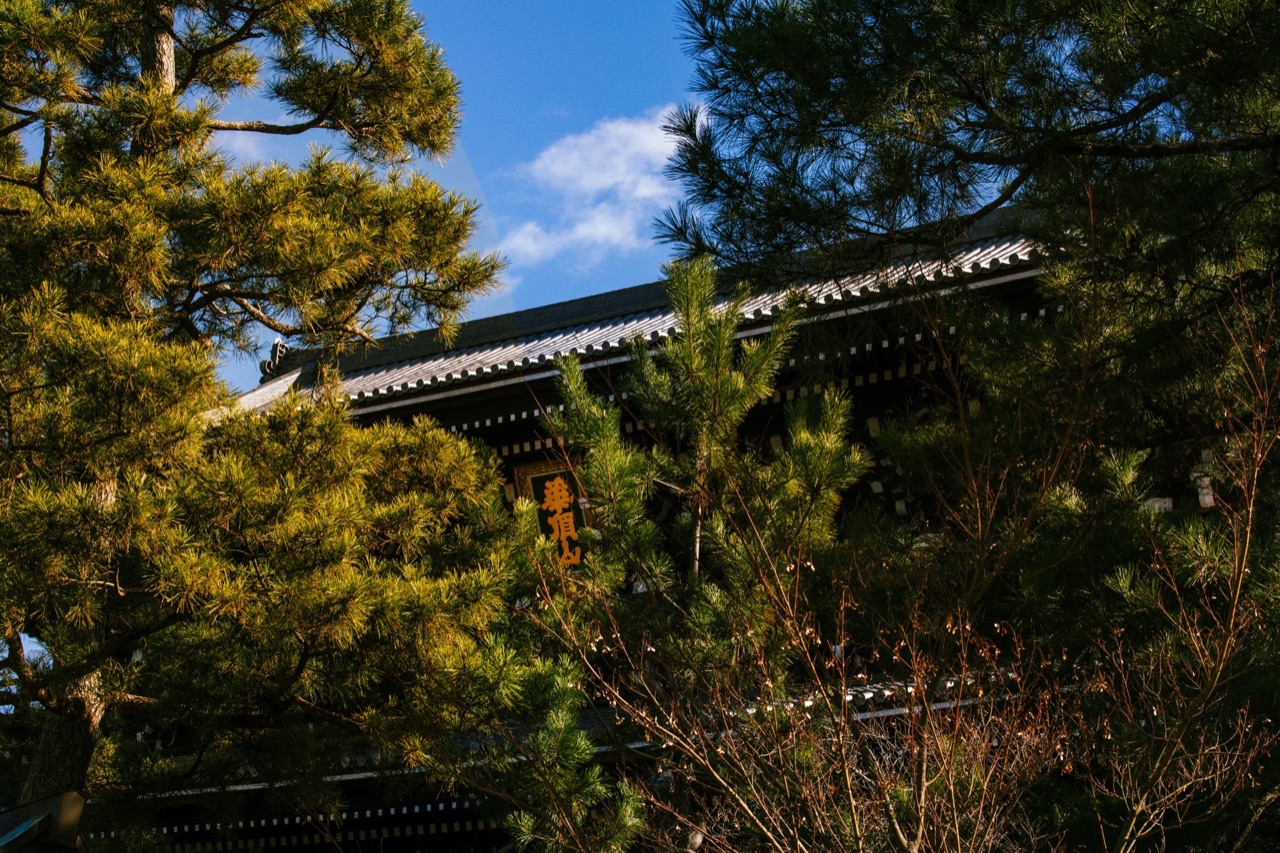
Kyoto
Japan · Asia
Kyoto was Japan's imperial capital for over a thousand years, and its extraordinary concentration of temples, shrines, and traditional culture has made it the country's most visited city. Seventeen UNESCO World Heritage Sites, the geisha districts of Gion and Pontocho, bamboo forests at Arashiyama, and a kaiseki cuisine tradition that influenced world gastronomy make Kyoto an essential destination. The city is most magical in cherry blossom season and autumn foliage.
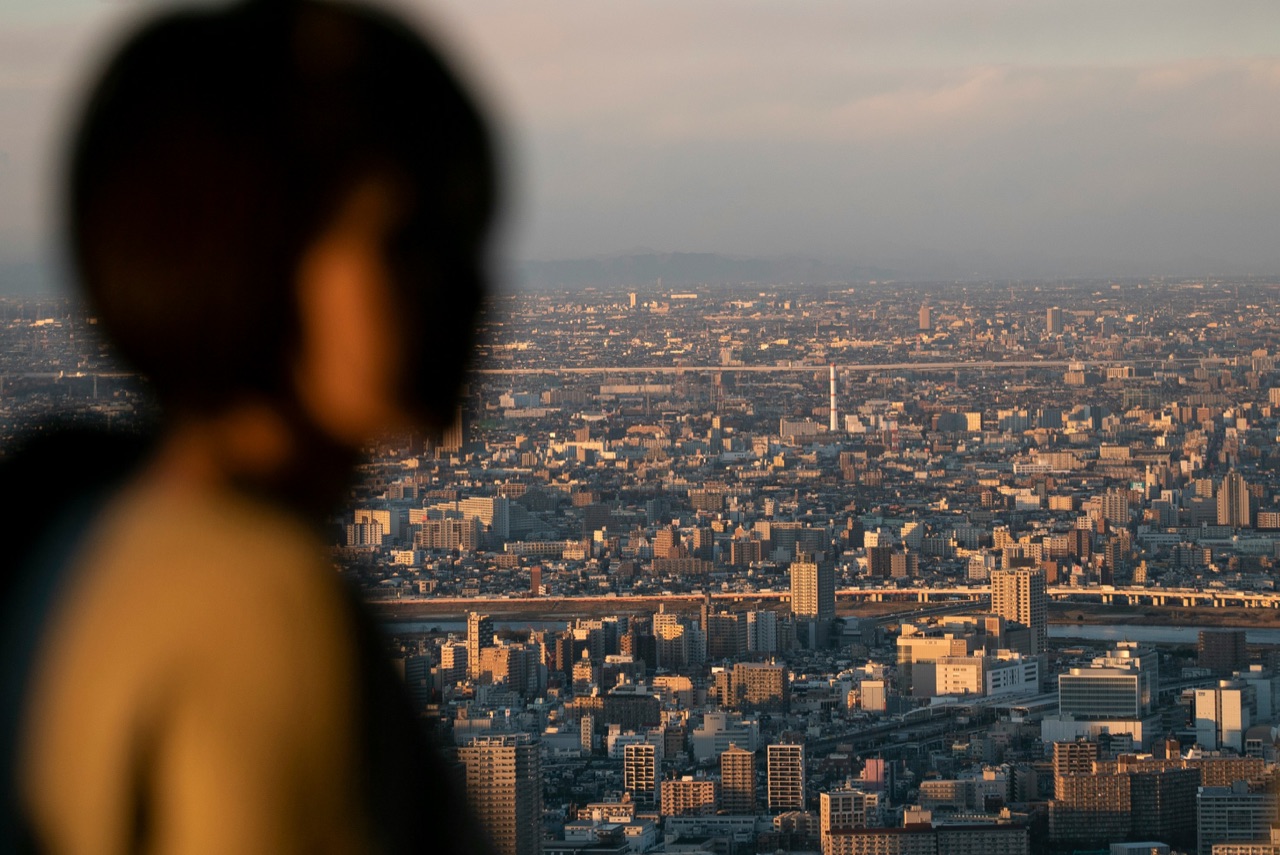
Tokyo
Japan · Asia
Tokyo is the world's greatest city for food — from a ¥600 standing ramen bar to a ¥60,000 kaiseki dinner, the quality is extraordinary at every level. Layer in the cleanest subway system on earth, convenience stores that would be destination restaurants in most countries, and a depth of culture that takes a lifetime to explore.
Daily cost per tier (USD)
| Tier | Kyoto | Tokyo |
|---|---|---|
| budget | $55–$85 | $35–$60 |
| midrange | $120–$200 | $120–$200 |
| luxury | $400–$800 | $400–$900 |
At a glance
| Kyoto | Tokyo | |
|---|---|---|
| Country | Japan | Japan |
| Currency | JPY (¥) — cash is essential; many traditional restaurants and shops don't accept cards | JPY (¥) — cash is still king; carry yen at all times |
| Language | Japanese. Less English than Tokyo — signage is bilingual on major routes; staff in tourist areas usually manage basics. | Japanese (English signage on metro; minimal English elsewhere) |
| Best months | March – April (cherry blossoms), October – November (autumn foliage) | March – April (cherry blossoms), October – November (autumn foliage) |
| Climate | Humid subtropical climate, basin geography making it hotter and muggier than coastal Japan in summer (38°C+) and colder in winter (-2°C with occasional snow that makes the temples extraordinary). Cherry blossom season (late March – mid April) and autumn foliage (mid-November) are the most beautiful but also the most crowded and expensive times. May–June and September–October are excellent alternatives: quieter, still beautiful, and with better accommodation availability. | Humid subtropical climate with four distinct seasons. March–April is sakura season — the most beautiful time but also the most crowded and expensive. October–November brings spectacular koyo (autumn foliage) with fewer crowds. June–July is rainy season (tsuyu). July–August is hot and humid (35°C+). January–February is cold but clear, and the city is at its least crowded. |
| Visa | 90 days visa-free for most Western passports. Same rules as Tokyo — check your nationality. | 90 days visa-free for most Western passports. Check your nationality — rules vary. |
| Safety | Extremely safe — essentially no crime against tourists | Extremely safe — one of the safest megacities on earth |
| Tipping | Never tip — same as all of Japan. It is considered rude. Excellent service is simply how things are done here. | Never tip. Tipping is considered rude in Japan — it implies the service was unexpected. Simply say "arigatou gozaimasu" instead. |
| Metro | No | Yes |
budget tier · top picks
Kyoto
Do
- Arashiyama & the Bamboo Grove free
- Kyoto Tower $6+
- Nijo Castle & Kyoto Imperial Palace $15+
midrange tier · top picks
Kyoto
Do
- Nijo Castle & Kyoto Imperial Palace $15+
- Toei Kyoto Studio Park $17+
- Arashiyama & the Bamboo Grove free
luxury tier · top picks
Kyoto
Do
- Arashiyama & the Bamboo Grove free
- Kyoto Tower $6+
- Nijo Castle & Kyoto Imperial Palace $15+
Want to dig deeper?
Full destination guides cover neighborhoods, itineraries, climate by month, etiquette and more.
Weekly destination guides, hidden gems, and tier breakdowns — straight to your inbox.